MP govt to transfer ₹600 each to 5.8 million students for school uniforms
The state cabinet approved ₹348.07 crore for the 2026-27 academic session to provide uniform allowances to 5.8 million students | India News
The state cabinet approved ₹348.07 crore for the 2026-27 academic session to provide uniform allowances to 5.8 million students
The Madhya Pradesh government on Tuesday decided to directly transfer ₹600 into the bank accounts of 5.8 million students to buy uniforms because the state government had failed to float the tender for school uniforms on time amid allegations of irregularities in the process.
The money transfer, announced five months into the academic session, will be carried out through the ‘direct benefit transfer’ (DBT) process, state cabinet minister Chetan Kashyap said.
The state cabinet approved ₹348.07 crore for the 2026-27 academic session to provide uniform allowances to 5.8 million students studying in Classes 1 to 8 in government schools, Kashyap said.
“The government had initially decided to provide stitched uniforms to students this year but the tender couldn’t be placed due to objections. Now, the amount will be disbursed directly into the accounts of the students and their parents via DBT (Direct Benefit Transfer),” Kashyap said.
HT had reported on July 5 that the government had decided that in the tender process, firms with at least ₹700 crore turnover in the last three financial years and involved in at least ₹105 crore business in fabrics with the government would be allowed to apply for the contract to make the uniforms.
Also Read:Madhya Pradesh to launch Sugam Transport Service with 351 buses across seven cities
The garment manufacturers’ body alleged that the eligibility conditions unfairly excluded local industries, self-help groups (SHG) for women and MSMEs from the tender process.
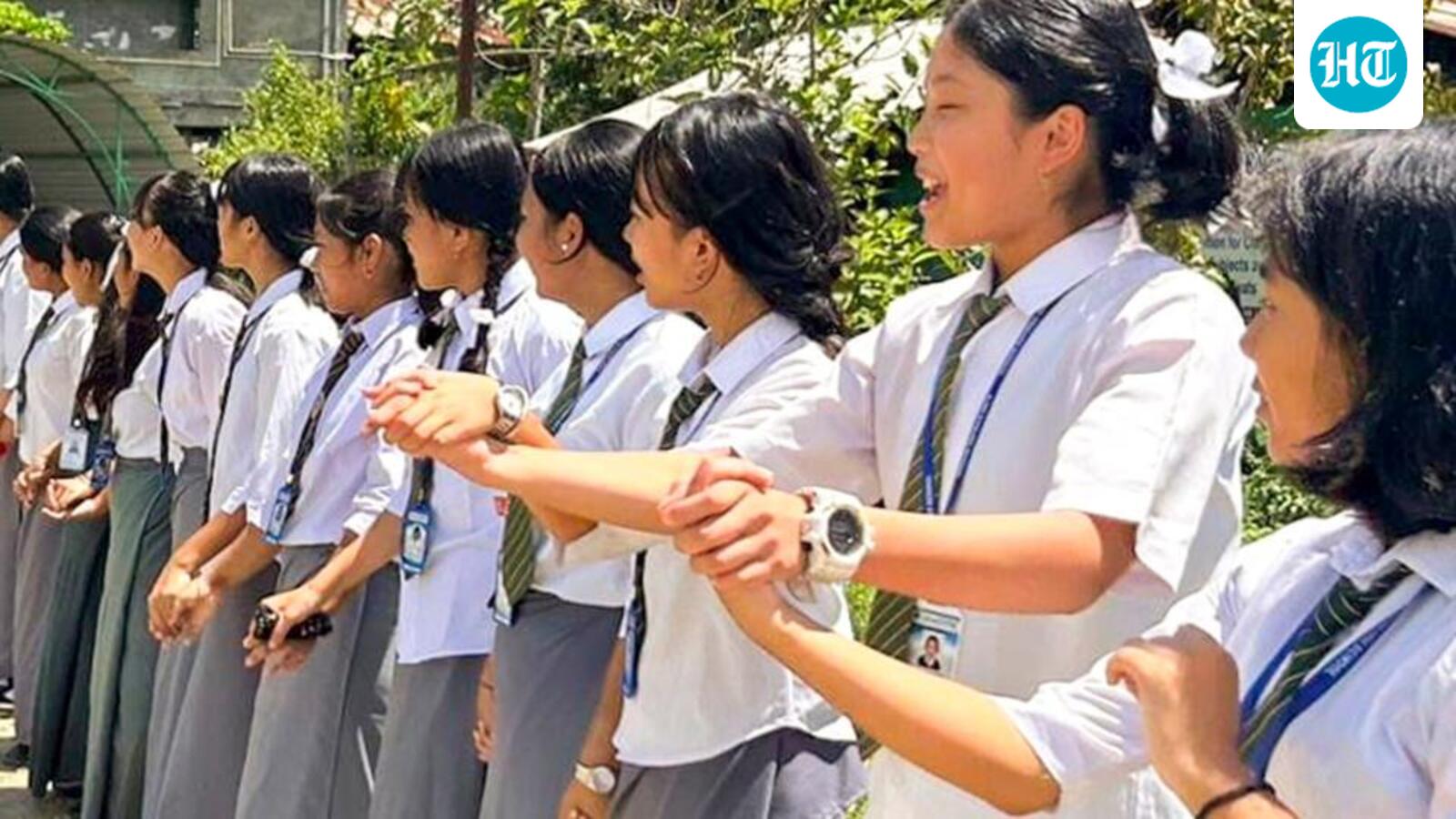
In 2018, then chief minister Shivraj Singh Chouhan had given SHGs the work to stitch nearly 11 million uniforms for over 5.5 million government school students from Class 1 to 8 under the State Rural Livelihood Mission. Since 2024, the state government has been directly transferring the money to the parents’ bank accounts to buy uniforms.
On July 16, the Madhya Pradesh high court stayed the finalisation of a ₹350-crore tender and directed the state government to file its response within a week.
However, following objections raised by the high court regarding the tender process and the inability to make uniforms available on time, the government decided to change the arrangement.
Kashyap said, “We will start a new process to provide uniforms on time from next academic year.”
Along with uniforms, the council of ministers has decided to provide 20 percent horizontal reservation to ‘Agniveers’ in uniformed services such as police constables, special armed forces, jail guards, forest guards, and excise constables.
I have spent over a decade chronicling Madhya Pradesh’s political and social landscape, covering politics, investigative journalism, crime, human interest, and government policy, blending sharp insight with ground‑level depth. I have closely tracked three assembly elections, three Lok Sabha elections, leadership transitions in MP while exposing governance lapses, tender irregularities, and flawed policy rollouts. My reports have revealed gaps in the Cheetah project, irregularities in medical education, rigging in recruitment exams, and loopholes in policy implementation. In crime reporting, I have moved beyond FIRs to map systemic patterns — from organised crime networks and gender‑based violence to custodial accountability — balancing urgency with sensitivity. My journalism is defined by a commitment to human interest. I have profiled the marginalised Bancchda community, documented atrocities against tribal groups, and highlighted efforts to preserve their culture through heritage liquor and revival of spiritual practices. I have reported on farmers struggling with failed MSP promises, giving voice to those often reduced to statistics in policy files. Passionate about field reporting, I have reported on rampant sand mining in Chambal and Narmada, pharmaceutical companies supplying medicines under altered names, the dire condition of schools and colleges, the plight of commercial sex workers, and skewed sex ratios in specific districts. Beyond deadlines, and as HT’s state correspondent and assistant editor in Madhya Pradesh, I engage with ministers, farmers, students, and activists, believing the best policy stories begin with a single human voice. A postgraduate in Journalism and Mass Communication, I also hold a diploma in sports journalism.Read More