The ECI’s unfinished lessons
ECI face unfinished lessons on transparent rolls, verifiable deletions, and independent scrutiny to safeguard every vote.

While the ECI need not accept every allegation made by political parties, constitutional authority cannot substitute for verifiable evidence
Published - October 21, 2026 12:27 am IST
‘While updating electoral rolls is necessary, voters must be able to check why their names have been left out and challenge errors.’ | Photo Credit: Getty Images/iStockphoto
India’s electoral system has evolved through successive efforts to make elections more inclusive, enforceable and accessible. Today, the mass revision of electoral rolls, suspicious voter deletions, and questions about access to polling records test the Election Commission of India’s (ECI) ability to ensure that every eligible voter can participate equally. Its history offers lessons for the challenges ahead.
Comment | A split verdict, faltering remedies and people’s power
When India prepared its first electoral roll, nearly 28 lakh women were left off because they were identified through their relationships to men rather than being registered under their own names. Sukumar Sen, India’s first Chief Election Commissioner, worked to ensure that women were enrolled in their own right, and by the 1957 elections, about 85% of those affected had been registered under their own names.
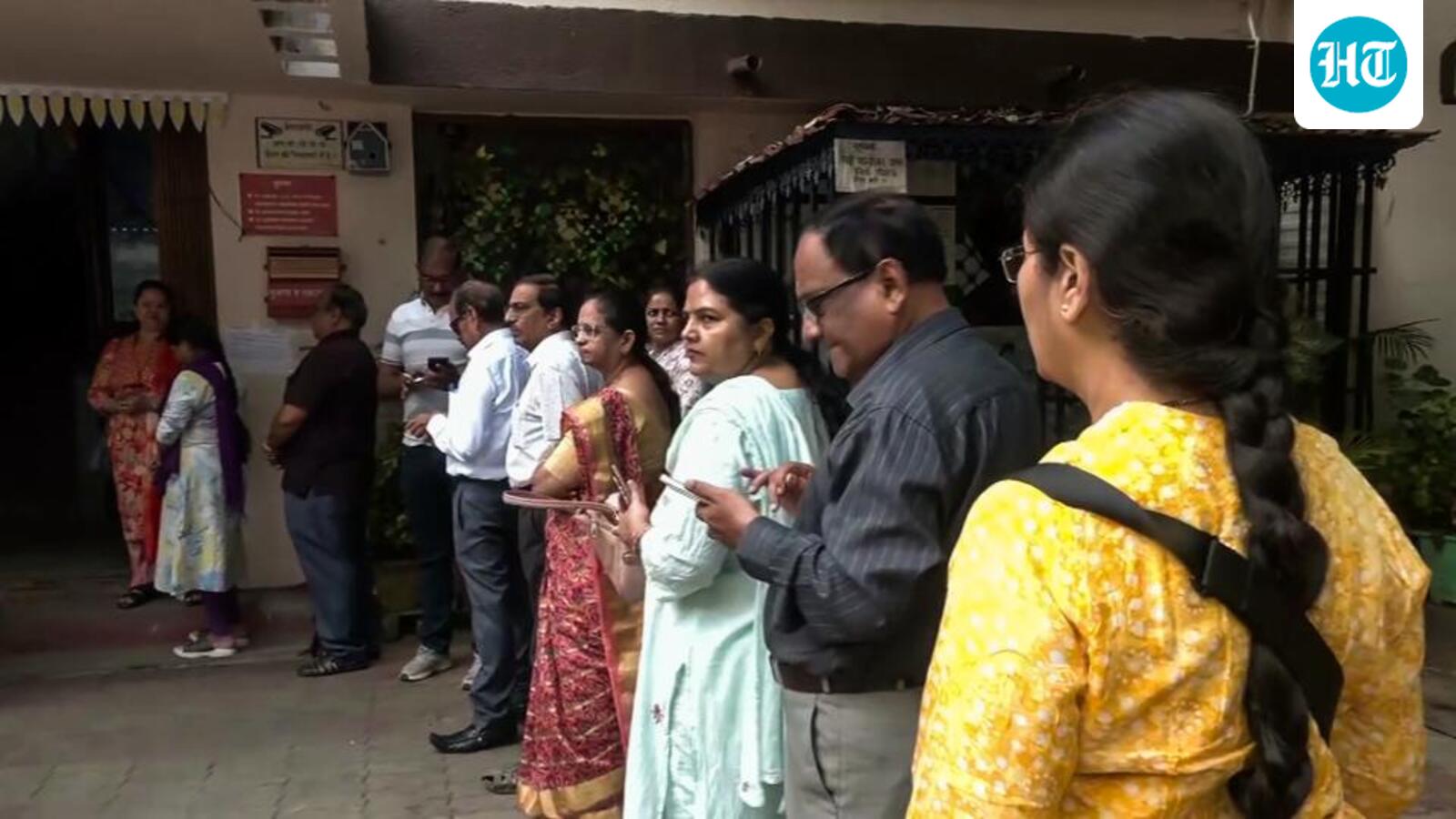
This lesson matters now as the ECI undertakes its Special Intensive Revision (SIR) of electoral rolls. In Bihar, around 65 lakh names were missing from the draft roll published in August 2025. The Commission cited reasons such as deaths, migration and duplicate entries. While updating electoral rolls is necessary, voters must be able to check why their names have been left out and challenge errors. The Supreme Court directed the ECI to publish the list of excluded voters along with the reasons for exclusion.
Editorial | Hide and seek: On the ECI and the election process
In a similar line, West Bengal shows what happens when correcting errors becomes slow. More than 27 lakh names were deleted during adjudication, prompting around 22 lakh appeals. Moreover, tribunal judges have raised technical concerns such as problems with the appeals portal, including difficulties issuing notices, conducting hearings and restoring names. While both cases show that removing names may be necessary to keep rolls accurate, correcting wrongful exclusions is equally important. A remedy that comes too late results in a lost vote.
The same principle applies to Form 7, through which an elector can seek the deletion of a name from the roll. In Aland, Karnataka, 6,018 online applications sought deletions. Of these, the ECI said that they rejected 5,994 applications as they were incorrect, and accepted only 24 after verification. An inquiry followed, and an FIR was registered. Rejecting incorrect applications show that safeguards can work. But a concentrated pattern of applications requires the ECI to establish who submitted them and whether identities or documents were misused. Every deletion request should leave a verifiable record of the applicant, supporting evidence, and the final decision.
Transparency in polling data presents another test. In Maharashtra’s 2024 Assembly election, reported turnout rose from 58.22% at 5 p.m. to 66.05% in the final figure. The Commission explained that the earlier number was provisional and that data continued to be updated as polling parties returned and records were scrutinised. While a difference between provisional and final figures does not by itself establish improper voting, a substantial change makes a clear explanation necessary.
In December 2024, following a Punjab and Haryana High Court order to release election-related records in a case concerning the Haryana Assembly election, the government amended Rule 93 of the Conduct of Elections Rules. The change raised concerns about public access to electronic records, including CCTV footage and webcasting material. The timing of the change raised questions about whether the aim was to protect privacy or limit scrutiny.
Institutional independence matters just as much. In Anoop Baranwal vs. Union of India (2023), the Supreme Court prescribed an interim selection committee comprising the Prime Minister, the Leader of the Opposition and the Chief Justice of India to select election commissioners. Parliament later replaced the Chief Justice with a Union Cabinet Minister. The government now controls two of the three keys to the room where election commissioners are chosen. This hardly inspires public confidence in the ECI’s independence.
While the ECI need not accept every allegation made by political parties, constitutional authority cannot substitute for verifiable evidence. Accurate rolls, traceable deletion requests, timely appeals and independently examinable polling records are safeguards owed to every voter. In an electoral democracy, trust must be earned through evidence, clarity and the willingness to correct mistakes.