Decoding MLC polls: Who votes, how seats are filled
Also known as Vidhan Parishad, it is the upper house in those states that have a bicameral state legislature. | India News
Also known as Vidhan Parishad, it is the upper house in those states that have a bicameral state legislature.
Legislative council elections in Uttar Pradesh, Karnataka, Bihar and Maharashtra have put the spotlight on the composition and functioning of the Upper Houses in India’s state legislatures.
What is a legislative council?
Also known as Vidhan Parishad, it is the upper house in those states that have a bicameral state legislature. Its establishment is defined in Article 169 of the Constitution of India. Each member has a six-year term.
Follow live updates on MLC election results here.
How many states have legislative councils in India?
Six states — Andhra Pradesh, Bihar, Karnataka, Maharashtra, Telangana, and Uttar Pradesh.
How is House strength decided?
It cannot exceed one-third of the total strength of the state’s legislative assembly and cannot be fewer than 40 members. Among the six states, Telangana has the smallest strength (50) and Uttar Pradesh the highest (100).
Also Read | Bihar MLC polls: BJP wins 2 seats, loses Patna stronghold; Prashant Kishor's party wins in Darbhanga
One-third are elected by MLAs.
One-third are elected by local bodies, such as municipal and panchayat members.
One-twelfth are elected by graduates.
One-twelfth are elected by teachers.
One-sixth are nominated by the governor for work in literature, science, art, the cooperative movement or social service.
This round of elections was only for teachers' and graduates’ constituencies.
Also Read | 'Guess how many seats Congress won': PM Modi takes jibe at Opposition after MLC elections
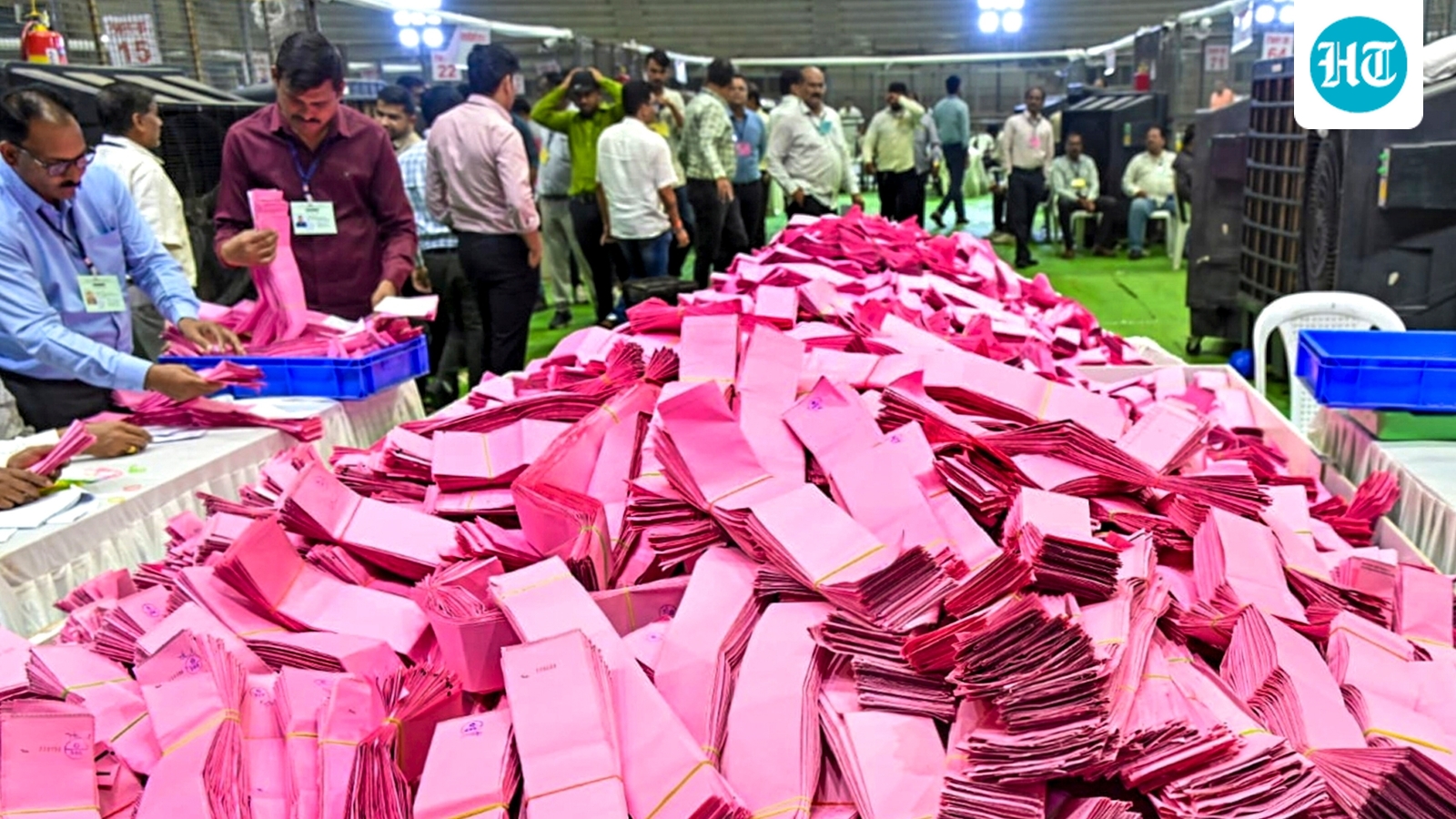
The legislative council polls are not fought on party symbols, but political parties back candidates. They are held through proportional representation with preferential voting. Voters rank candidates by preference, and a winning quota is calculated. Lower preferences are transferred until seats are filled. The election is held on ballot papers and not electronic voting machines.
Follow the latest breaking news, major developments and agenda-setting stories from India and around the world with the newsdesk at Hindustan Times. Operating round the clock, the desk brings together experienced editors, reporters and correspondents to deliver fast, accurate and contextual reporting across subjects that influence public policy, governance, business, society and international affairs. The HT News Desk covers politics, elections, government policies, the economy, business and markets, science and technology, the environment, law and order, infrastructure, education, climate issues and geopolitics, while closely tracking developments across states, institutions and global capitals. The team also leads coverage of major breaking news events, policy announcements, court proceedings, natural disasters, public emergencies and significant international developments. Reports published by the newsdesk are based on information gathered from reporters on the ground, official statements, government agencies, court records, regulatory filings, recognised institutions and other authoritative sources. Stories undergo editorial scrutiny and verification processes to ensure accuracy, fairness and relevance, and are updated as events evolve and additional information becomes available. Whether covering a key political decision in New Delhi, an economic policy shift affecting millions, a landmark court ruling or a major global event, the HT News Desk aims to provide readers with reliable, fact-based journalism that delivers not only the latest developments but also the context and analysis needed to understand their wider implications.Read More